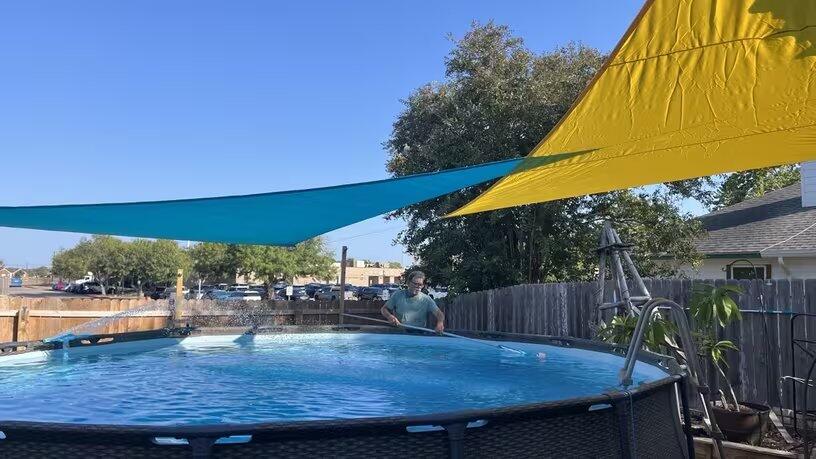
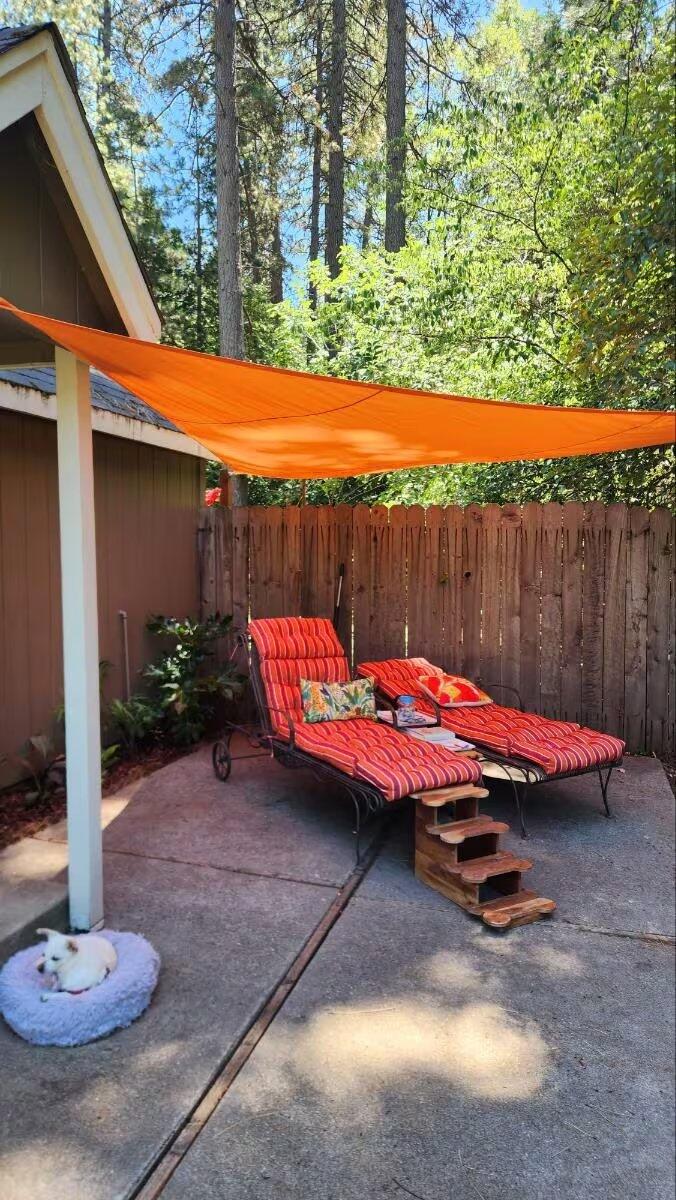
Quick answer: A single shade sail can cover a large area, up to about 40 x 40 ft, but the bigger it gets, the more the fabric, edges and posts have to handle. For anything over about 20 ft on a side, use a heavy 260 GSM sail with steel cable edges, anchor it to posts or structure rated for the load, and think about splitting very large areas into two or more overlapping sails. Our Super Ring heavy duty sails are made to order in any size up to 40 ft and ship within 3–7 business days.
Typical prices for large shade sails
These are current ShadeMart prices for Super Ring 260 GSM sails, made to order (fabric only, hardware sold separately):
| Size | Shape | Coverage | Price |
|---|---|---|---|
| 20' x 20' | Square | 400 sq ft | $621.99 |
| 24' x 24' | Square | 576 sq ft | $806.99 |
| 20' x 30' | Rectangle | 600 sq ft | $831.99 |
| 30' x 30' | Square | 900 sq ft | $1,346.99 |
| 30' x 40' | Rectangle | 1,200 sq ft | $1,661.99 |
| 40' x 40' | Square | 1,600 sq ft | $2,081.99 |
Prices change with size, so check the product page for the exact figure. Need several sails or an odd size? Send us the whole project and we will quote it in one go.
One big sail or several smaller ones?
A single large sail looks clean, but a 40 ft span puts a lot of force on four corners. Several smaller sails, layered at different heights, often work better because:
- each corner carries less load, so posts and footings can be smaller;
- rain and wind spill through the gaps instead of pulling on one huge panel;
- a damaged sail can be replaced without taking down the whole area;
- overlapping triangles and rectangles look more designed.
As a rule of thumb, once the span passes about 30 ft, price out both options. The fabric cost is similar; the difference is usually in the posts.
Covering a smaller area? Our square sun shades come in 7 stock sizes from 10x10 to 26x26 ft.
How to size a large sail
- Mark the anchor points first. Measure the straight-line distance between each post, wall bracket or beam you will tie to.
- Leave room for tensioning hardware. The sail must be smaller than the space between anchors so turnbuckles and shackles can pull it tight. See our sizing guide and hardware guide.
- Add a twist. Set one or two corners higher than the others so water runs off and the sail resists flutter. Our angle guide explains how much.
- Check the sun path. In summer afternoons the shadow lands well east of the sail, so shift the layout toward the west side of the area you want covered.
Posts, anchors and permits
Large sails are only as strong as what they are tied to. Use steel posts set in concrete footings, or structural beams, and size them for your local wind conditions. Many cities treat large shade structures over public or commercial spaces as structures that need a permit and sometimes engineered drawings, so check with your building department before you order. For poles, read our shade sail poles guide; for windy sites, see shade sails for windy areas.
Why 260 GSM and steel cable edges matter at this size
Lighter sails are fine for a small patio, but on a 30 ft span the edges stretch and the fabric starts to sag. Super Ring sails use 260 GSM HDPE fabric, a steel cable sewn into every edge and stainless steel ring corners, so the tension spreads evenly along the edges instead of pulling only at the corners. Compare weights in 200 vs 220 vs 260 GSM.
Lead time and ordering
Every large sail is made to order in 1–3 business days and ships within 3–7 business days. Because they are custom, they cannot be returned, so double-check your measurements, or send them to us first and we will confirm. Contractors, landscapers and property managers can join our Trade Program for project pricing, or request a project quote for multiple sails, posts and hardware together.
Related guides: shade sail carport guide.